Your garden and lawn, watched over and watered
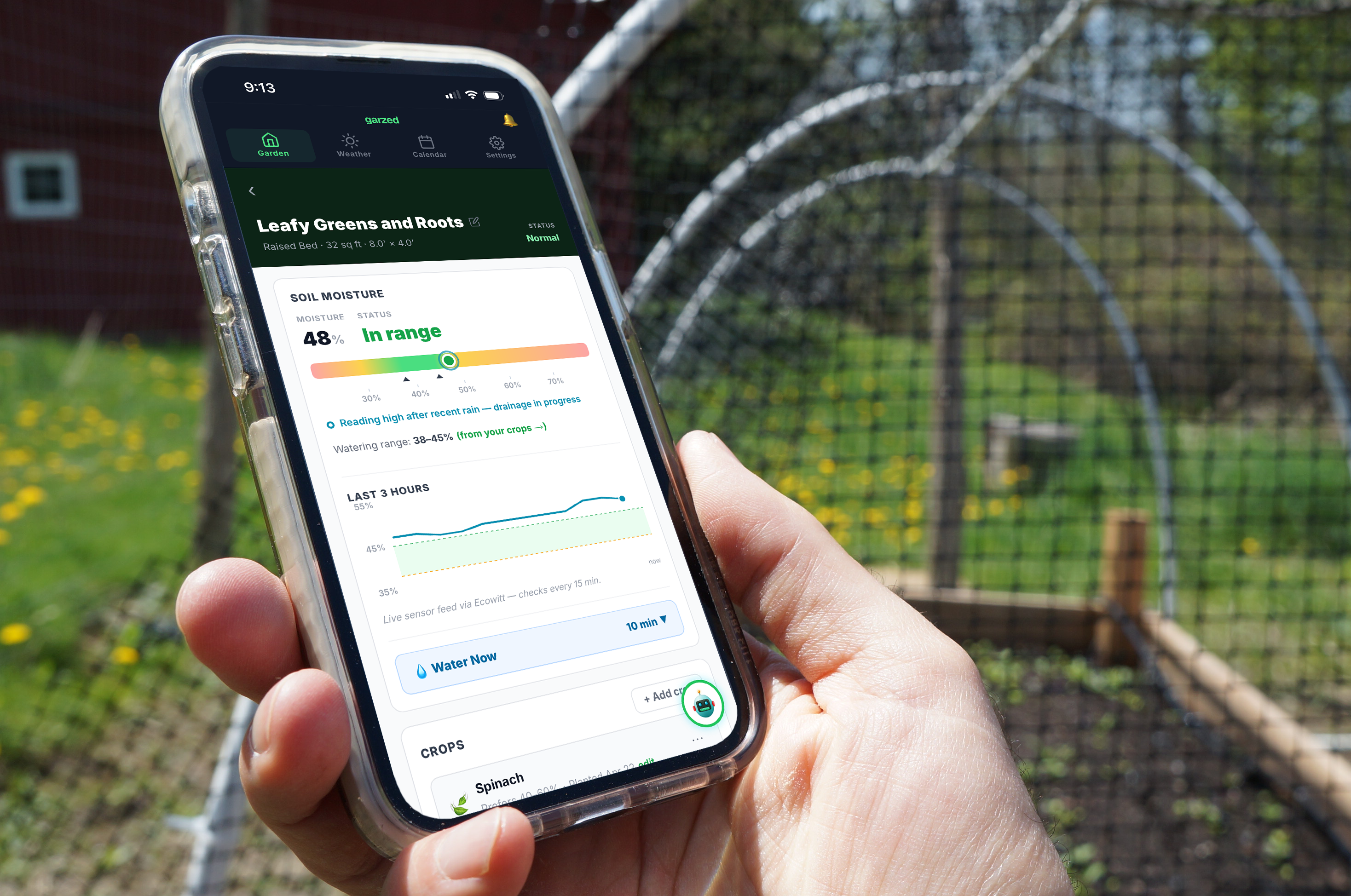
How it knows when to water
It measures your soil
A wireless sensor reads how wet the soil is, and Garzed checks it every 15 minutes. It also soaks each area and watches it drain, to learn how much water that spot can hold.
It knows your plants
Its plant library sets how dry each area gets before watering, so lettuce and lawn grass each get what suits them.
It waters in short runs
Each watering comes in bursts with pauses to soak in, and stops when the soil has taken what it can hold.
It has a backup, and it tells you
If a sensor stops reporting, you get a notice, and a backup schedule built from that area's own history keeps it watered until the sensor is back.
Everything you grow, orchestrated
Garzed tracks each watering area on its own. When one gets dry, it waters that one and leaves the rest alone.
Where Garzed fits
Most gardens and lawns are watered on a schedule set by the calendar or the weather. Garzed goes by the soil itself: how wet it is, against a target measured for each area.
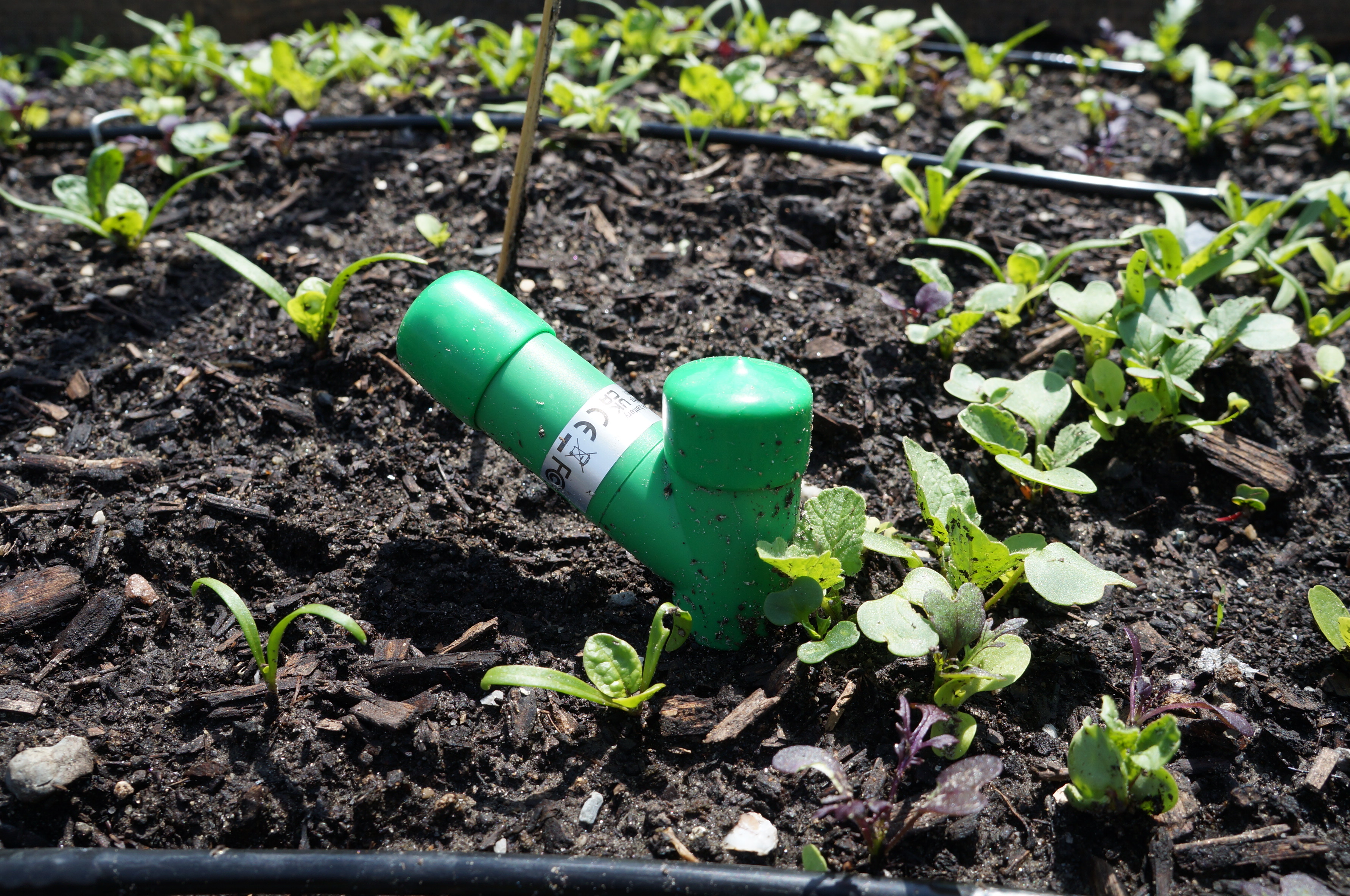
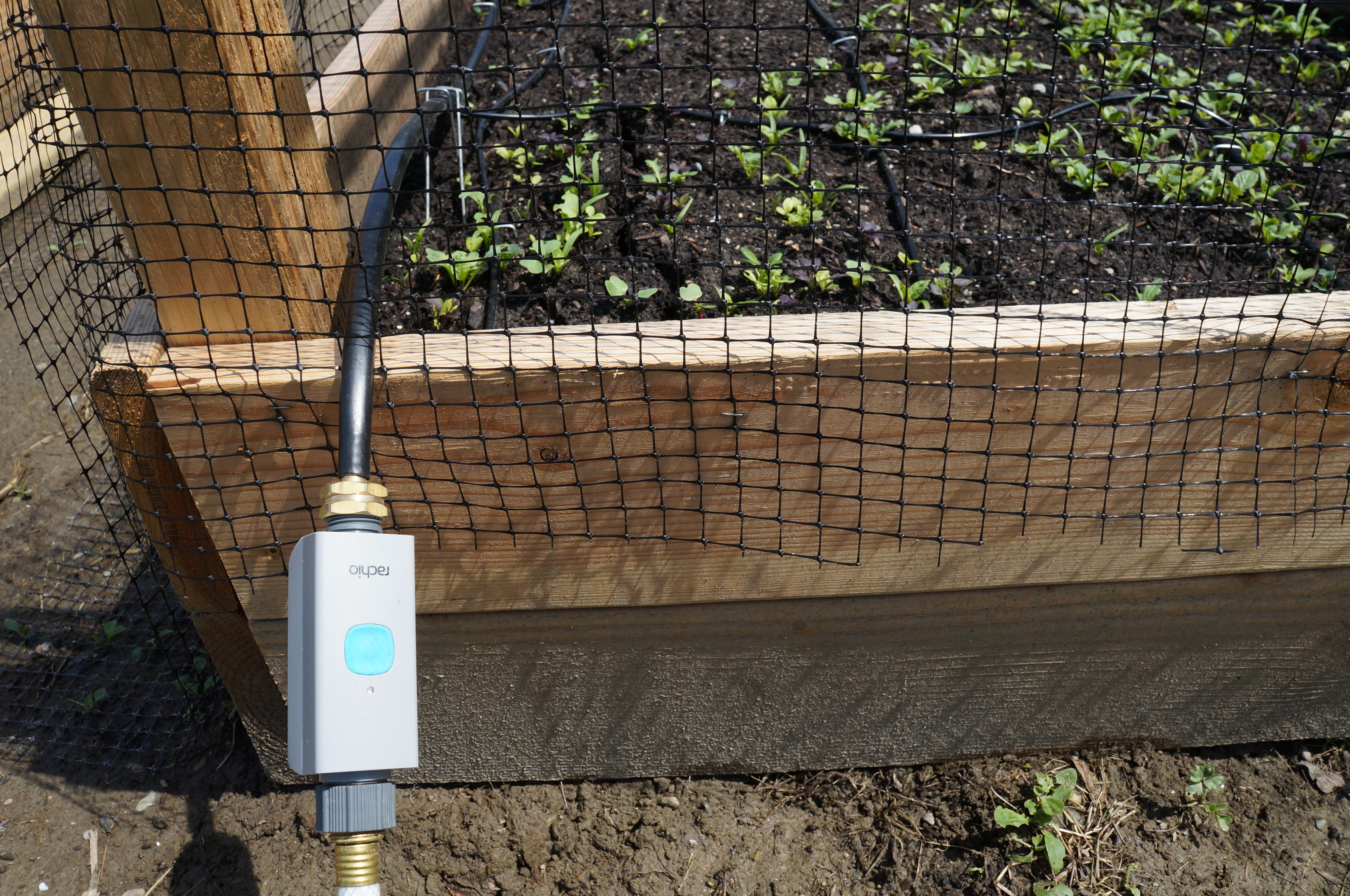
Two pieces of hardware
A soil sensor and a smart valve, both off-the-shelf and sold on Amazon. Together they let Garzed do the watering. Areas that water alike can share one sensor, and one Rachio 3 runs every zone of an in-ground system. See everything Garzed works with →
Pick the plan that fits your setup
Create your account and you're in. New accounts start with 30 days of Pro, free, with no credit card.
- Up to 3 areas, 1 sensor each
- Pair sensors, valves & weather stations
- Manual & scheduled watering
- No Full Auto watering
- Calendar, weather & rain skips
- Garzed Bot: 5 messages a day
- Up to 100 areas, up to 100 sensors
- Full Auto watering on up to 24 areas
- Garzed Bot: 50 messages a day
- Photo diagnosis: 20 photos a day
- Every future feature included
- Up to 100 areas, up to 100 sensors
- Full Auto watering on up to 24 areas
- Garzed Bot: 50 messages a day
- Photo diagnosis: 20 photos a day
Common questions
Can it water while I'm away?
What happens when it rains?
What if a sensor stops working?
Can I use Garzed without any smart hardware?
What if I already have a Rachio sprinkler controller (or Hunter, Orbit, etc.)?
How long does setup take?
What happens after the 30-day free trial?
Is my data private?
Why I built Garzed

I put my garden hose on a Rachio smart valve so I'd stop walking down to water every day. The schedule worked, but I never knew if my plants were getting the right amount. Some areas got soaked, others stayed dry.
After a season of that, I went looking for something better: a system that would water based on what the soil actually needed. The closest things I found used a soil sensor to skip a scheduled run; anything that really watered from the soil was a wired commercial setup, with sensors and pumps you have to install in the ground.
I just wanted my hose, my valve, and a sensor in the dirt to all talk to each other. So I started building it. Garzed is what I wanted for my own garden: it watches your soil moisture, waters in short pulses, checks again, and stops when it's right. No commercial install, no schedule guessing.