Moisture range
30–50%
Days to maturity
90–120
Light
Full sun
Growing Degree Units
2000 · base 60°F
When to plant pumpkin where you garden
Indoor-start, transplant and harvest dates, counted from your own frost dates.
Place search © OpenStreetMap contributors
Growing notes
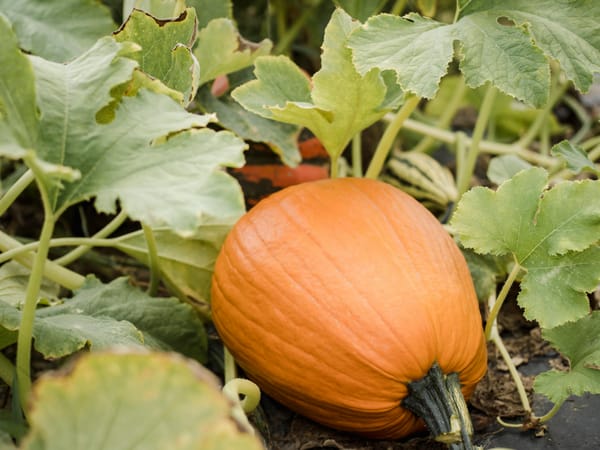
Pumpkins and winter squash vines run, or grow along, the ground and take up a lot of space. Consider using bush-type varieties in smaller gardens.
Harvest signs
Iowa State Extension ↗when they have developed a uniform orange color and have a hard rind
▶Planting reference— Depth, spacing, pH, light
▶Pests & diseases— striped cucumber beetles, spotted cucumber beetles, squash vine borers, squash bugs, +5 more
Common pests · 5
Striped cucumber beetles: damage plants by eating leaves as well as flowers, stems, and fruit ↗
Spotted cucumber beetles: feed on all above-ground parts of the plant (migrate to Minnesota every year) ↗
Squash vine borers: burrow into the crown and vines of pumpkin and winter squash plants, causing the entire plant to wilt ↗
Squash bugs: can often be found in large groups, and their feeding gives leaves a ragged appearance ↗
Aphids: leaf curling, discoloration, and sticky leaves ↗
Companions & antagonists
Plant near:BeansCorn
Tip: Vines run 15-20 ft - needs edge zone.
Common questions
How much water does pumpkin need?
Pumpkin has middle-of-the-road water needs. Aim to keep soil moisture around 30–50%, letting the top inch dry slightly between waterings rather than staying soggy.
Can I grow pumpkin in a raised bed or container?
Pumpkin vines and sprawls, so it needs a trellis or plenty of ground room. Only compact varieties really suit containers.
Does pumpkin come back every year?
No — pumpkin is an annual. It completes its life in one season, so you replant it each year.