← All crops
Crop Guide

How to grow tomatillo

Fruit · Drought-tolerant · Frost-sensitive

Primary source · UMN Extension
Tomatillo
Brad FerradaWritten by Brad Ferrada, who built Garzed · planting data from university extensions
Moisture range
30–50%
Days to maturity
75–100
Light
Full sun
Growing Degree Units
1500 · base 60°F
When to plant tomatillo in your zone
Indoor-start, transplant and harvest dates calibrated to your climate.
See planting calendar →

Growing notes

Tomatillos are warm-season annuals from the same family as tomatoes and peppers, native to Mexico and Central America. They are self-incompatible — a single plant will produce flowers but very few fruit. Plant at least two (ideally three or more) for reliable pollination. Once established they are notably more drought-tolerant than tomatoes and prefer full sun with consistent but not excessive water. Plants sprawl and benefit from staking or caging similar to indeterminate tomatoes.

Harvest signs

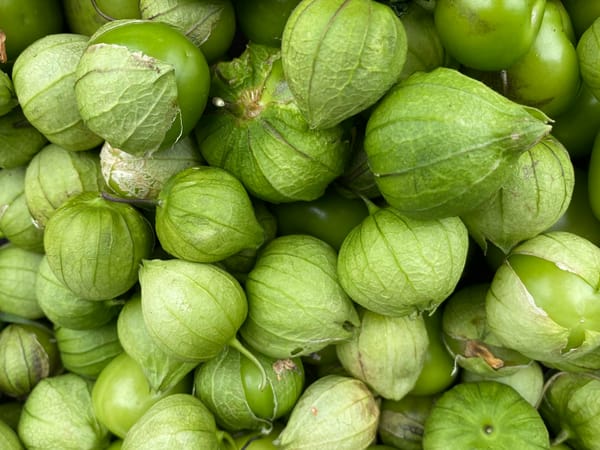
Harvest when the husks fill out completely and begin to split open, exposing the fruit inside. Fruit should feel firm; size varies by variety from cherry-tomato to golf-ball size. Don't wait for the fruit to fall from the plant — pick it when the husk is papery and tight against the fruit for the best flavor and storage life.

Planting referenceDepth, spacing, pH, light
Depth
Start seeds one-fourth inch deep indoors 6 to 8 weeks before the last frost; transplant outdoors 1 to 2 weeks after the last spring frost when soil is warm
Spacing
2 to 3 feet apart · Rows: 3 to 4 feet apart
pH range
5.5–7.5
Light
Full sun (6+ hr direct)
Pests & diseasesflea beetles, colorado potato beetles, cutworms, aphids, +4 more
Common pests · 5
Flea beetles: chew small, round holes in leaves (Seedlings and transplants are most vulnerable)
Colorado potato beetles: yellow-orange beetles with black stripes; larvae are reddish with black spots; can defoliate plants rapidly
Cutworms: chew young stems off at the soil line
Aphids: leaf curling, discoloration, and sticky leaves
Tomato hornworm: large green caterpillars that defoliate plants and feed on fruit
Common diseases · 3
Early blight: causes dark spots with concentric rings on lower leaves; spreads upward as the plant ages
Bacterial spot: small, dark spots on leaves and fruit; spots may have yellow halos
Tobacco mosaic virus: mottled or distorted leaves; stunted growth; reduced fruit set

Companions & antagonists

Plant near:BasilMarigoldCarrot
Keep apart from:Fennel
Tip: Plant at least two — tomatillos are self-sterile and won't set fruit alone. Harvest when husks fill out and start to split.

Common questions

How much water does tomatillo need?

Tomatillo is fairly drought-tolerant once established and can dry out further between waterings. A soil-moisture range of about 30–50% is plenty — overwatering does more harm than a little dryness.

Can I grow tomatillo in a raised bed or container?

Yes — tomatillo does well in raised beds and is happy in a decent-sized container too, as long as drainage is good.

Does tomatillo come back every year?

No — tomatillo is an annual. It completes its life in one season, so you replant it each year.