Moisture range
35–55%
Days to maturity
50–70
Light
—
Growing Degree Units
800 · base 40°F
When to plant kale where you garden
Indoor-start, transplant and harvest dates, counted from your own frost dates.
Place search © OpenStreetMap contributors
Growing notes
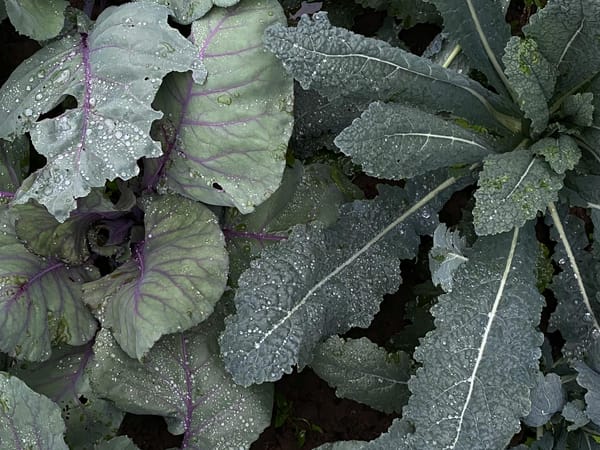
Cold tolerant and will continue to grow and produce new leaves well beyond the first fall frosts. The best quality results from fast growth without heat or moisture stress.
Harvest signs
Harvest single leaves as soon as they reach a usable size
▶Planting reference— Depth, spacing, pH
▶Pests & diseases— flea beetles, imported cabbage worm, cabbage looper, diamondback moth, +5 more
Common pests · 6
Flea beetles: chew small holes in leaves (Seedlings are most vulnerable to injury from this feeding) ↗
Imported cabbage worm: larvae feed on the leaves (Young seedlings and transplants are most vulnerable to injury from this feeding) ↗
Cabbage looper: larvae feed on the leaves (Young seedlings and transplants are most vulnerable to injury from this feeding) ↗
Diamondback moth: larvae feed on the leaves (Young seedlings and transplants are most vulnerable to injury from this feeding) ↗
Cabbage maggots: feed on the roots, injuring the plants, sometimes killing them ↗
Swede midge: can cause distorting and stunting (They particularly love red Russian kale varieties) ↗
Companions & antagonists
Plant near:DillMarigold
Keep apart from:Tomato
Tip: Harvest improves after light frost.
Common questions
How much water does kale need?
Kale is water-sensitive — shallow roots and a steady thirst. Keep soil moisture in roughly the 35–55% range and don't let it dry out fully, or growth stalls and leafy crops turn bitter.
Can I grow kale in a raised bed or container?
Yes — kale does well in raised beds and is happy in a decent-sized container too, as long as drainage is good.
Does kale come back every year?
No — kale is an annual. It completes its life in one season, so you replant it each year.